Easy Handmade Gifts
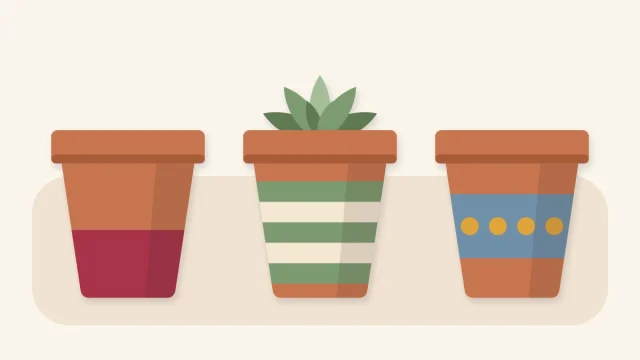
Painted Terracotta Pot: A Simple Gift for Plant Lovers
Clean a clay pot, brush on an acrylic base coat and add stripes, a color-block base, taped triangles or eraser dots using masking tape and a pencil.
Handmade gift ideas you can make
Step-by-step tutorials for small, practical gifts in fabric, felt, and paper, with materials lists, sizing, and simple ways to wrap and personalize them.
New to making gifts by hand? Work through these four guides in order.
Pick a first handmade gift by the skill you want to practice, the tools you already own and how the finished item will be used.
A starter kit for paper and fabric gifts: two pairs of scissors, measuring tools, needles and thread, three glues and a few basic materials, plus what can wait.
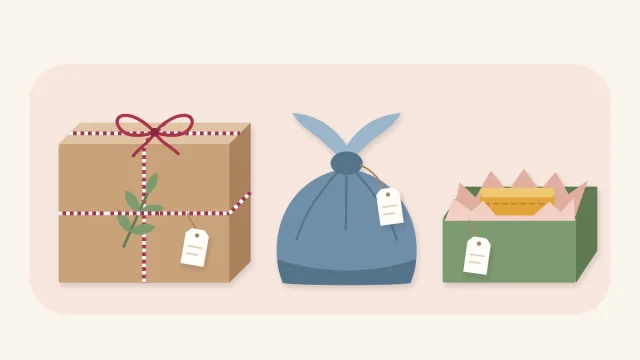
Wrapping methods for handmade items, from kraft paper and twine to a knotted fabric square, plus what to write on the tag and in a short care note.
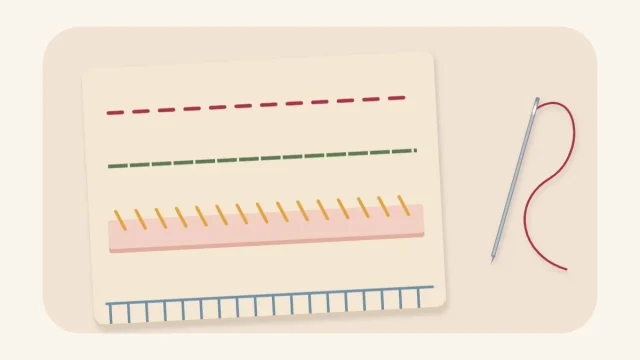
Running stitch, backstitch, whipstitch and blanket stitch: what each one is for, how the thread travels, and how to start and finish so the stitching holds.
Clean a clay pot, brush on an acrylic base coat and add stripes, a color-block base, taped triangles or eraser dots using masking tape and a pencil.
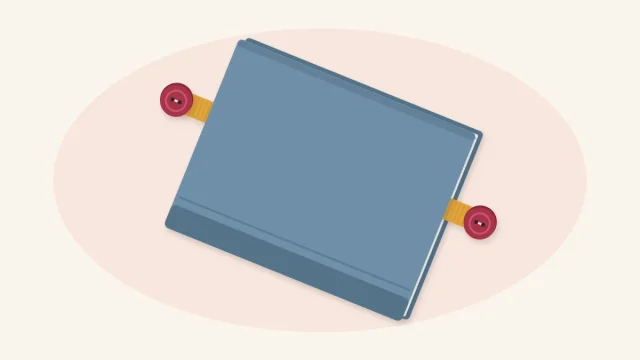
A grosgrain ribbon bookmark cut to fit the book, with folded ends that hide the raw edge and a flat button sewn on each end as a weight.
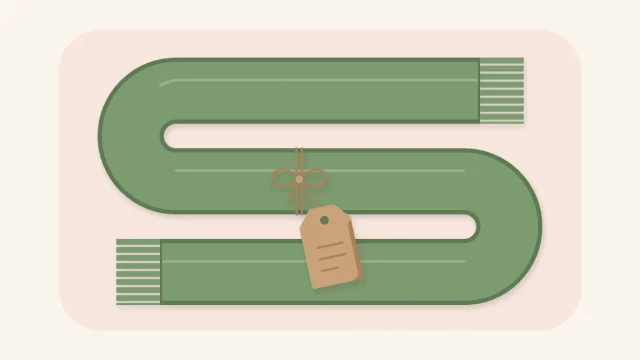
Cut one strip of fleece, square the ends and cut even fringe for a scarf that needs no stitching. Includes adult and child sizes and a knotted-fringe option.
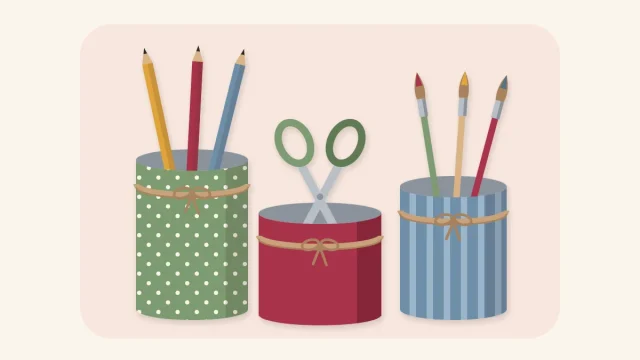
Turn a clean tin can into a desk organizer by measuring and gluing on a fabric cover, folding the top edge over the rim and adding twine and a felt base.
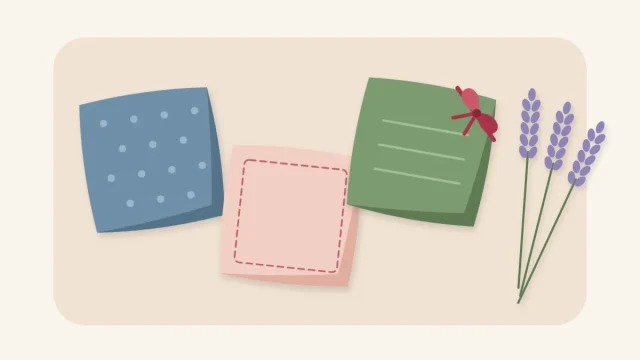
Sew small cotton sachets, fill them with dried lavender through a paper funnel, and close them with ladder stitch or a ribbon tie.
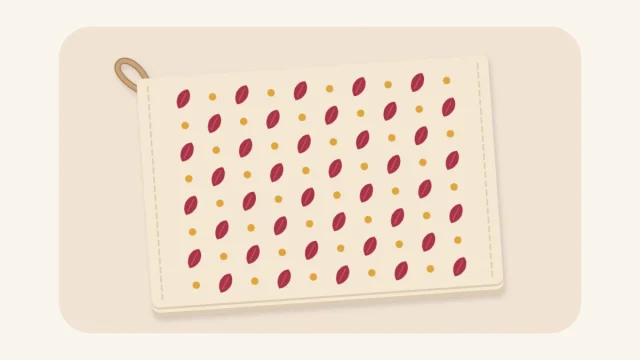
Print a plain cotton or linen tea towel with fabric paint and a stamp cut from a potato, a cork or craft foam, using folded creases to keep the pattern evenly spaced.
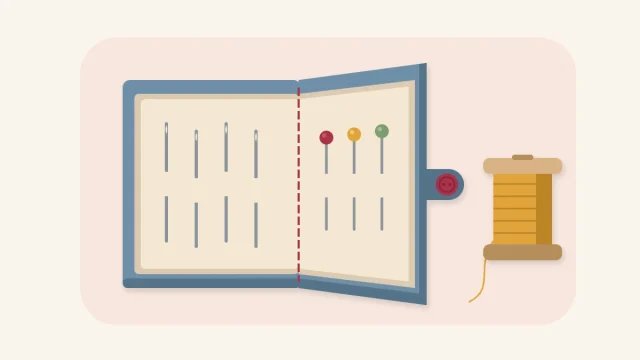
Three felt rectangles, one line of backstitch and a button make a folded case for needles and pins. Cutting sizes, spine stitching and a button-loop closure.
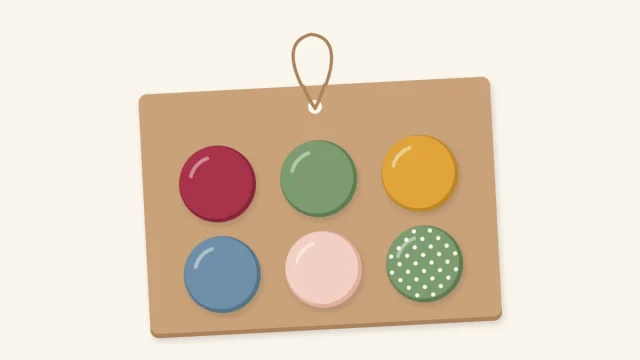
Gather small circles of scrap fabric over flat discs, cover the backs with felt and glue on a magnet to make a set of fabric button magnets.
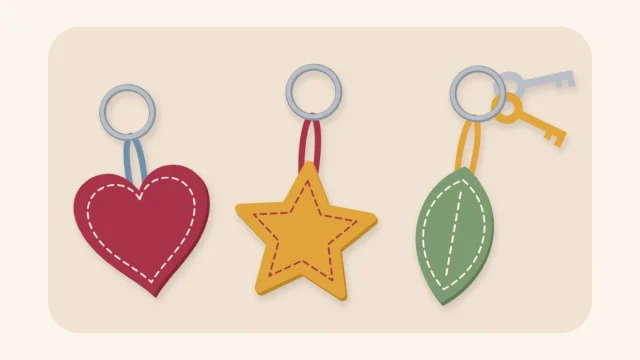
Stitch two matching felt shapes around a ribbon loop, stuff them lightly and hang the result on a split ring for a small hand-sewn keychain.
Wrapping methods for handmade items, from kraft paper and twine to a knotted fabric square, plus what to write on the tag and in a short care note.
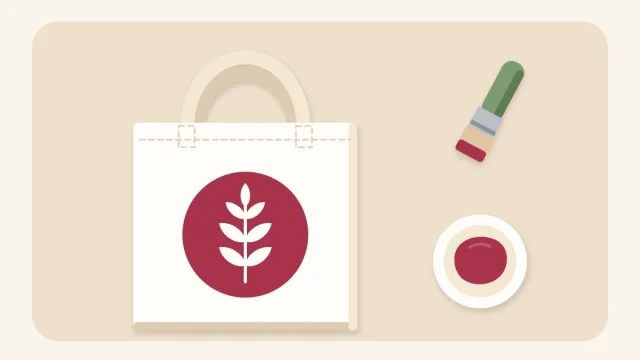
Cut a bold initial from freezer paper or cardstock, centre it on a pre-washed canvas tote and dab fabric paint through it in thin layers for a crisp monogram.
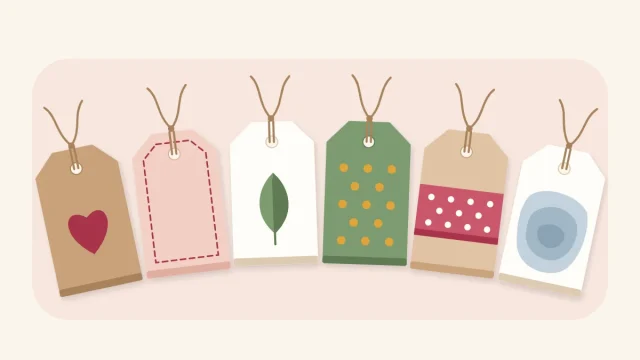
Cut the classic luggage-tag shape from cardstock, reinforce the hole, and finish it six ways: stamped, layered, fabric, watercolor, stitched or with a pressed leaf.
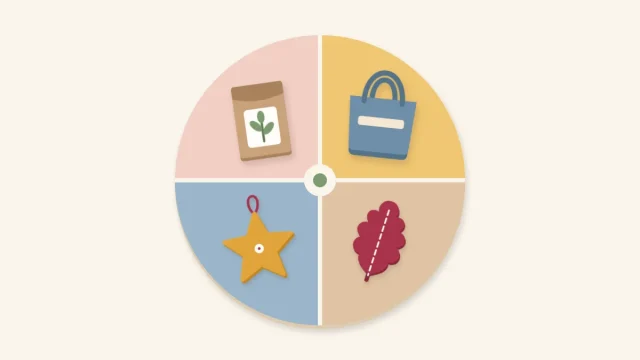
A season-by-season overview of small handmade gifts, with planning habits for drying stages, test pieces and batch work.
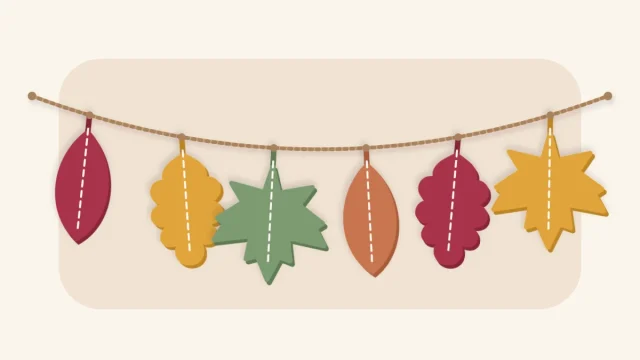
Cut felt leaves from three paper templates, stitch a centre vein on each and fasten them along twine for a garland about 5 ft (1.5 m) long.
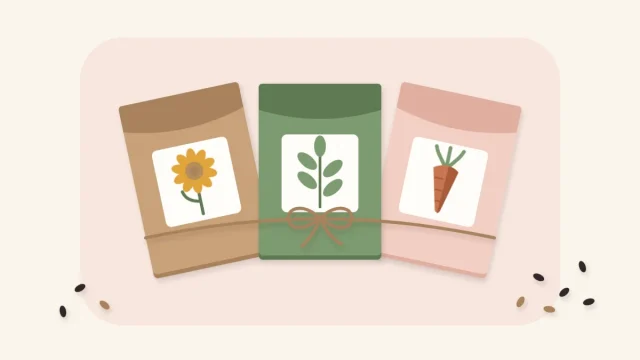
Fold small paper envelopes from one simple template, fill them with seeds and label each one with the plant name, variety, year and sowing information.
Two felt hearts stitched together around the lower edge form an open-topped pocket for a folded handwritten note or a small card.
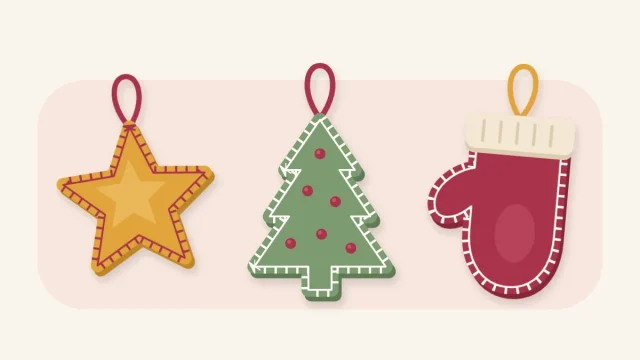
Three two-layer felt ornaments, a star, a tree and a mitten, decorated on the front, joined with blanket stitch and lightly stuffed.
A season-by-season overview of small handmade gifts, with planning habits for drying stages, test pieces and batch work.
Cut felt leaves from three paper templates, stitch a centre vein on each and fasten them along twine for a garland about 5 ft (1.5 m) long.
Fold small paper envelopes from one simple template, fill them with seeds and label each one with the plant name, variety, year and sowing information.
Running stitch, backstitch, whipstitch and blanket stitch: what each one is for, how the thread travels, and how to start and finish so the stitching holds.
Start with a small project, learn the core techniques, and build from there at your own pace. Every tutorial on the site is free to read, no sign-up needed.